Medication Education
Understanding Over-the-Counter Medicines: What You Should Know
OTC medications are convenient, effective, and available without a prescription. But that does not mean they are consequence-free. Here is what you need to know before reaching for the shelf.
CC
Complete Chemist Health Team
Senior Clinical Pharmacist · Complete Chemist
Published
5 min
Read time
Featured
TAGS
The fact that a medication does not require a prescription does not mean it requires less attention. Over-the-counter drugs are real medicines with real active ingredients, real dosing windows, and real potential for harm when misused. The main difference is that they have been approved for self-treatment of specific, well-defined conditions, not that they are inherently safer than prescription drugs.
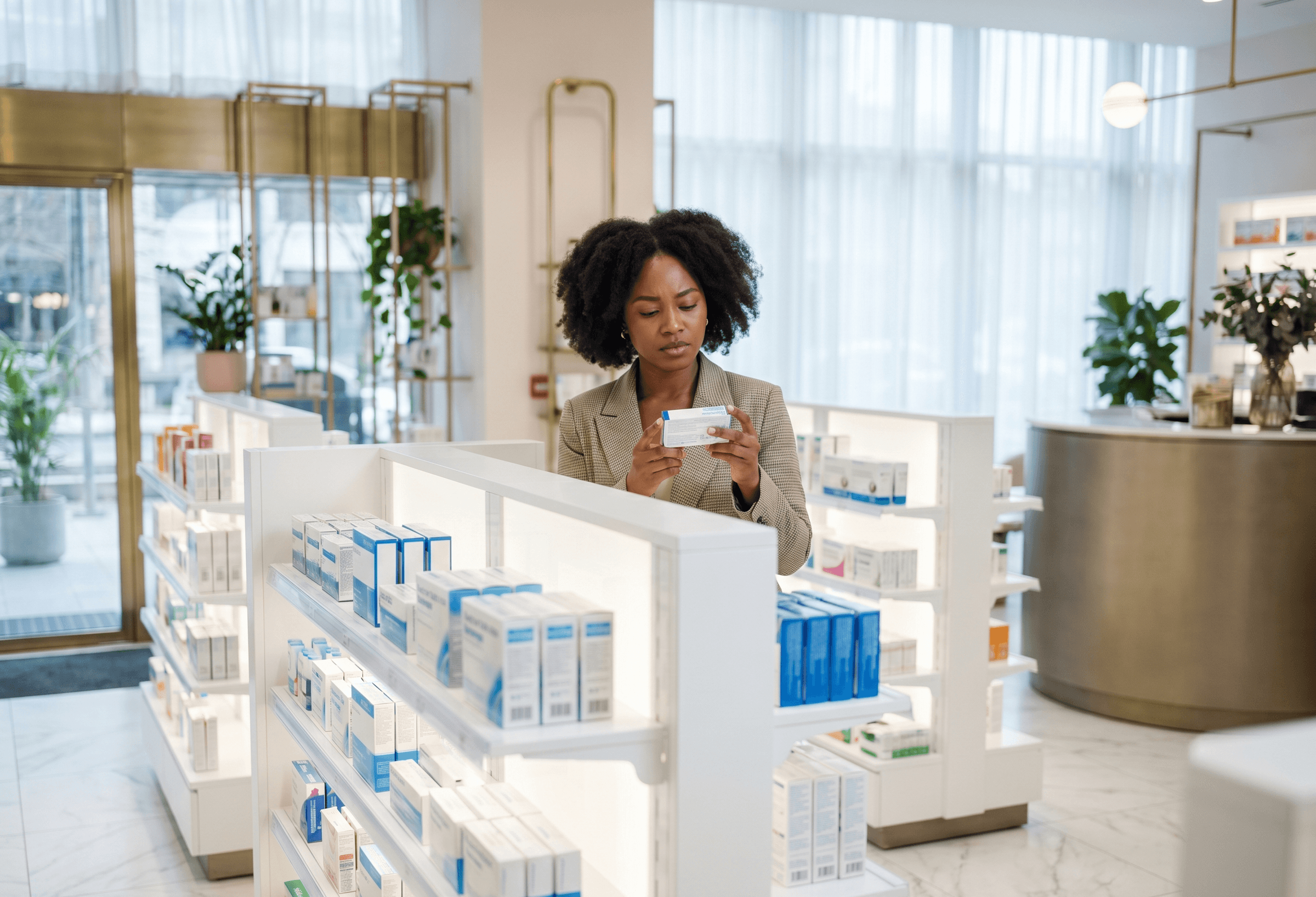
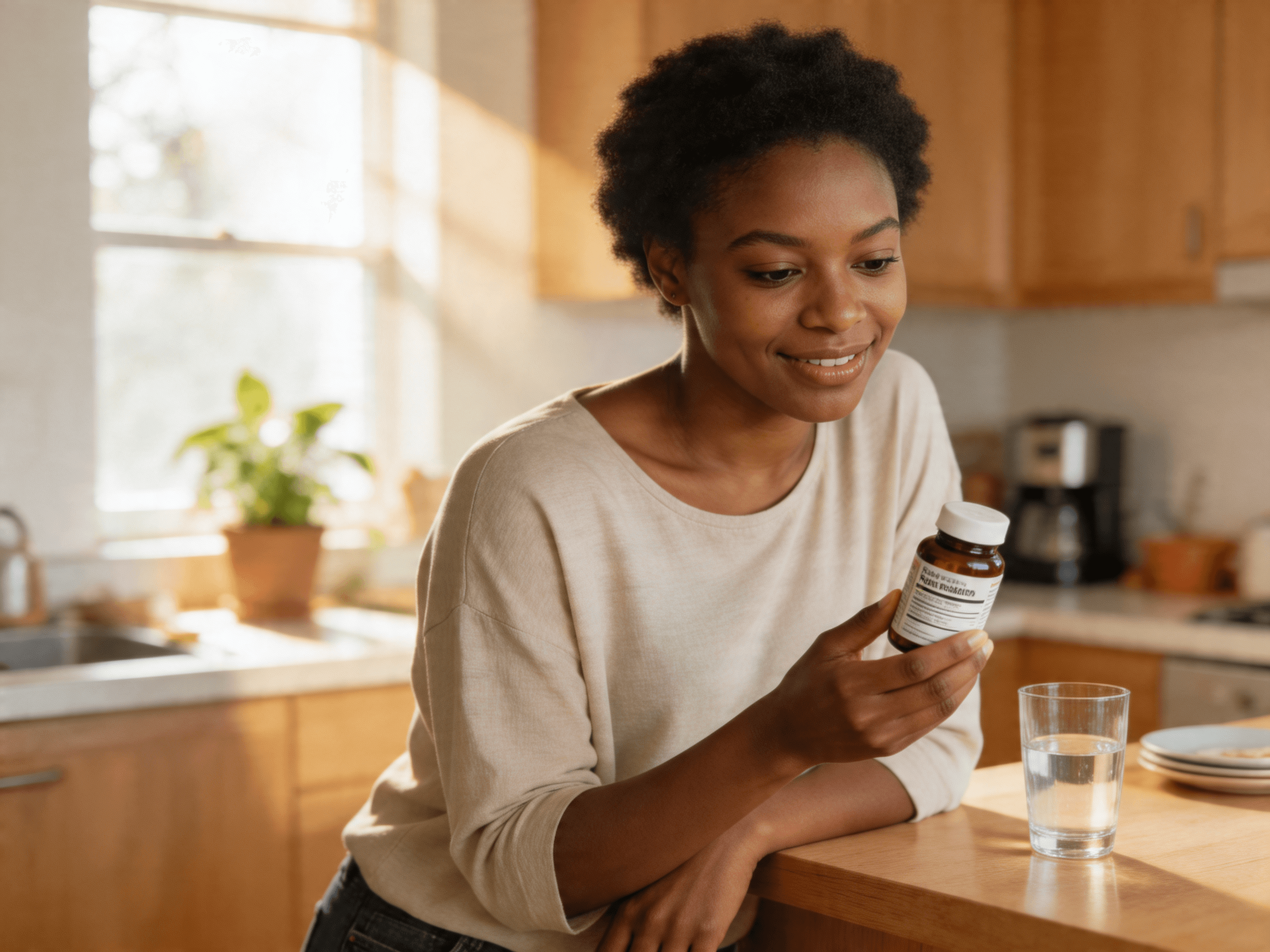
Reading the label properly is non-negotiable. Not skimming it, reading it. Labels tell you the active ingredient, the correct dose, how often to take it, and who should avoid it. Paracetamol and ibuprofen are two of the most commonly taken OTC drugs in Ghana, and they are also two of the most commonly overdosed, usually accidentally, by people who did not realise another product they were taking already contained the same ingredient.
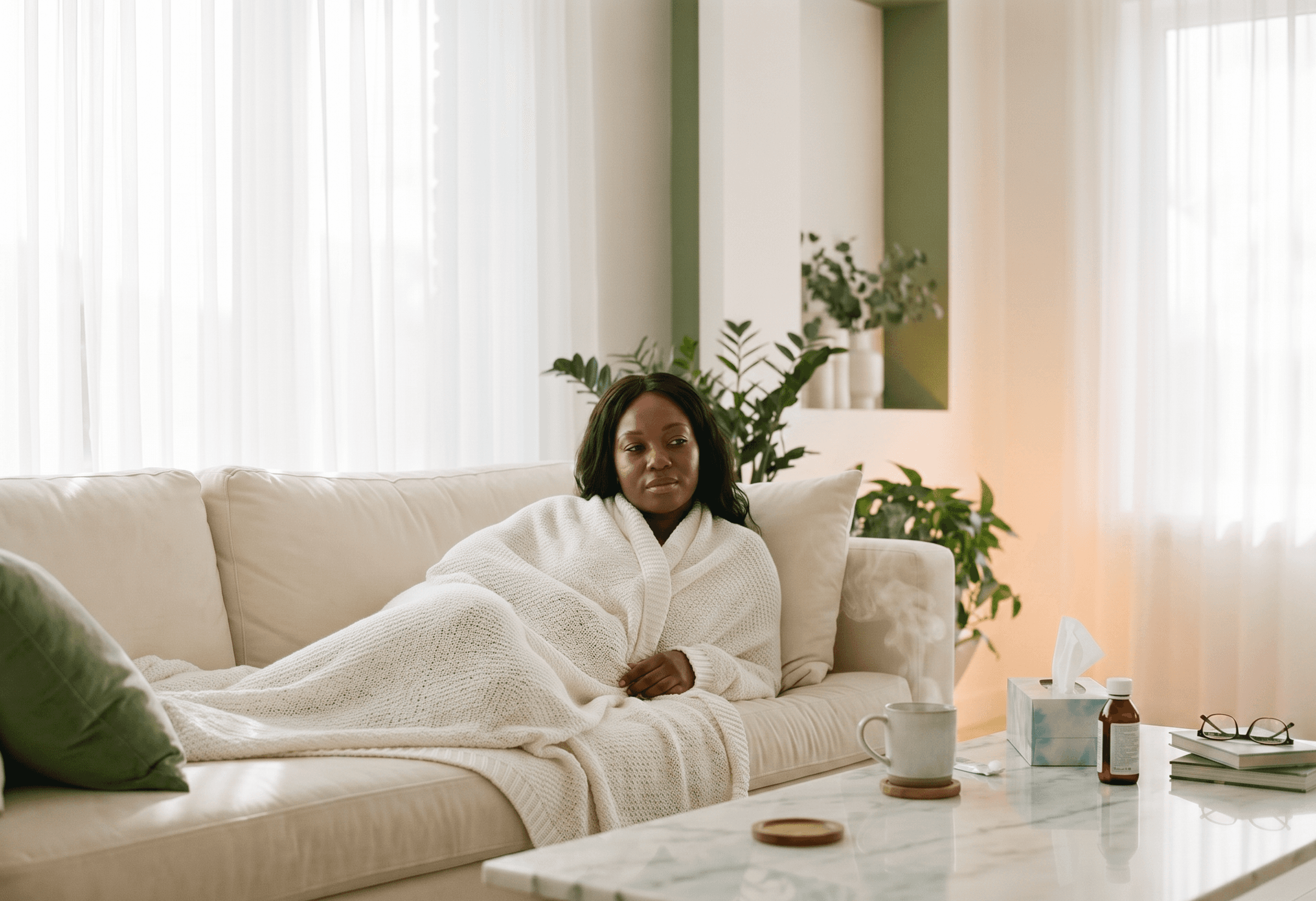
Combination cold and flu products are where this goes wrong most often. A flu tablet may already contain a painkiller, a decongestant, and an antihistamine. If you then take a separate paracetamol for your headache, you may be doubling your paracetamol dose without realising it.
OTC does not mean it works for everyone. Certain decongestants raise blood pressure, which is a real concern if you are already managing hypertension. Some antihistamines cause significant drowsiness. Aspirin is not appropriate for children under 16 or for people on blood thinners. These warnings exist for good reason.
When in doubt about which product to choose, ask the pharmacist at the counter rather than guessing. It takes two minutes and removes all the guesswork. That is what we are there for.
Medical Disclaimer
This article is provided for informational purposes only and should not be considered medical advice. Always consult a qualified healthcare professional or pharmacist before using medications or starting new treatments.
Licensed Pharmacy
Ready to Take Action?
Upload a prescription or shop our full range of verified medications delivered across Accra.
PC Licensed and Approved
Open Now · 24 Hours · 7 Days
Your Health Deserves the Best Care — Right Now.
Complete Chemist is fully stocked, open around the clock, and ready to fill your prescription or deliver your medications anywhere in Accra today.
Ghana PC Licensed
Pharmacy Council Approved
Accra-Wide Delivery
Home & office · Same day
100% Authentic Drugs
Sealed · Verified manufacturers
4.9 Star Rating
Trusted by Accra patients